- ISO 9001:2015 Certified Company
- +91-9672985402
- info@vasundharamicron.com

Why Inconsistent Talc Powder Quality Is Hurting Your Production Efficiency

Why ISO 9001 Certification Is the First Thing to Check Before Buying Talc Powder
May 4, 2026
Why Manufacturers Prefer Long-Term Partnerships with Reliable Calcite Powder Suppliers
June 3, 2026
The Problem That Doesn't Show Up on the Invoice
Nobody budgets for bad talc. That's not how procurement works. You find a supplier, agree on a grade, lock in pricing, and assume the material will behave the same way it did when you approved the sample.It often doesn't. Working with a reliable talc powder supplier in India who tests and controls every batch before shipping sounds like a small thing. It isn't. For manufacturers who've already been through this cycle, it's one of the first things they change.
And the frustrating part is that inconsistent talc doesn't fail loudly. There's no machine alarm, no obvious defect at the start of a run. What you get instead is a slow drip of small problems slightly off viscosity, pigment that won't sit right, a batch of ceramics that came out of the kiln with more rejects than last week. Operators adjust, supervisors chase causes, and somewhere in a spreadsheet, the scrap rate quietly climbs.
What Actually Happens on the Line
Take plastic compounding. When talc particle size drifts between deliveries, the melt viscosity changes. Not dramatically just enough that the batch feels different. You adjust the line speed or the temperature, the batch comes out okay, and then the next consignment arrives with a slightly different particle distribution and the whole thing starts again.Your operators aren't doing anything wrong. The machine isn't failing. The raw material is just inconsistent, and every adjustment made to compensate is a variable that shouldn't need to exist.
Paint manufacturing has its own version of this. Whiteness variation in talc, even small variation, changes how your pigments behave. The colour you're targeting looks different batch to batch. You don't always catch it until the product is already packaged, or worse, already with the customer.Ceramics is probably where the consequences are most visible. Particle size directly affects how much a piece shrinks during firing. When the talc from your talc powder supplier in India shifts in distribution, shrinkage shifts too. Some pieces come out fine. Others crack, warp, or fall outside tolerance. The kiln cycle is expensive. Running it on inconsistent raw material is more expensive.
None of this is dramatic. That's actually the problem. It's the kind of loss that gets absorbed into "normal" operational variation when it's really just a sourcing issue.
The Grade-Blending Issue Suppliers Don't Advertise
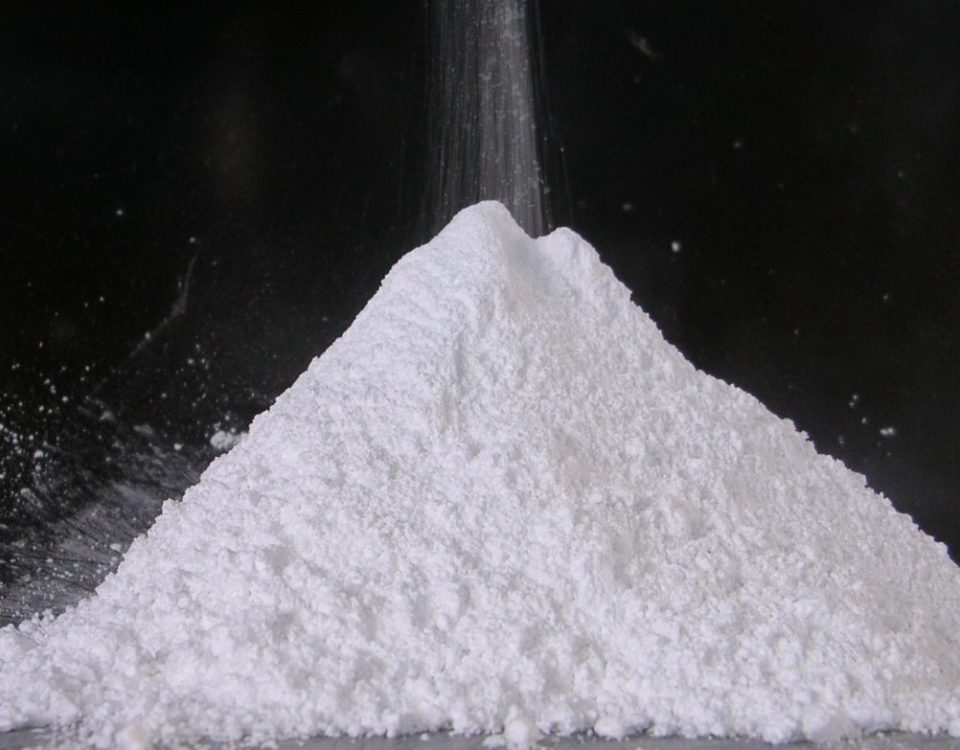
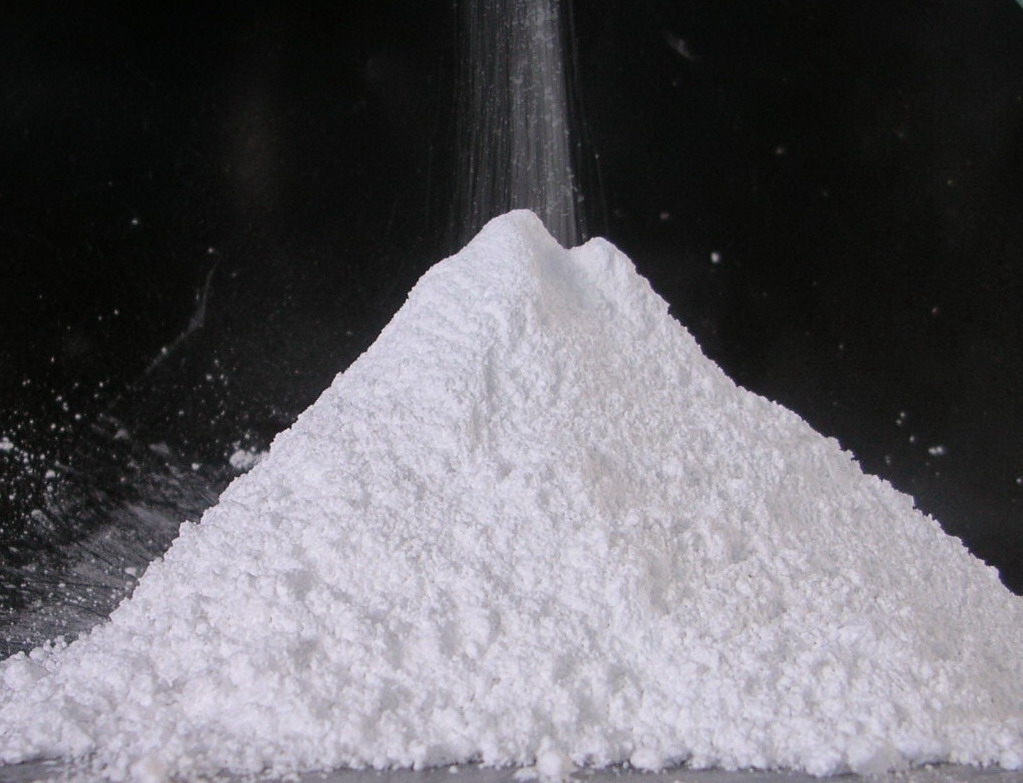
Here's something worth knowing about how some talc suppliers operate.When a large order comes in and inventory of one grade is tight, some processors blend. They mix grades to meet volume, ship it under the same grade label, and move on. The material is technically talc. It's technically in the ballpark of the specification. But the particle size distribution shifts, the brightness changes, and your process which was tuned to the previous batch now behaves differently.
Unless you're testing incoming material, you won't know this happened.The question most buyers ask their talc powder supplier in India is "what grade do you sell?" The better question is "what does your batch-to-batch data look like for the last six months?" Ask to see actual COA values across multiple shipments, not just the spec sheet. If the numbers vary significantly, that variance will eventually land in your production.
What Vasundhara Micron Does Differently
Vasundhara Micron sources from consistent Rajasthan deposits and processes everything through controlled grinding and air classification. Every batch is tested particle size distribution, whiteness, moisture, loss on ignition before it's released. That testing data goes with the shipment.This isn't unusual for a good supplier. What's unusual is how many suppliers don't do it.
When manufacturers switch to Vasundhara Micron, the thing they notice first usually isn't dramatic. The line just runs more quietly. Fewer mid-run adjustments. Fewer conversations about why this batch behaves differently from last week's. The process parameters they set stay relevant. That's it. That's the whole value boring, reliable consistency.A steady talc powder supplier in India doesn't solve every production problem. But removing raw material variance from the equation makes every other problem easier to diagnose and fix.
What to Actually Check Before Choosing a Talc Supplier
Specification sheets are marketing. What matters is measured data.Ask for D50, D90, and D97 values across several batches not just from the sample lot. If those numbers jump around, your process will jump around. Ask for Hunter Lab whiteness values, not just a grade name. Ask what the moisture spec is and what the actual measured values have been.
Then ask about supply continuity. Can they maintain volume through peak demand without dipping into lower-grade stock? What's their processing capacity, and do they have buffer inventory? These aren't difficult questions. A supplier who hesitates on them is telling you something.And honestly see how they communicate before you sign anything. Response time, willingness to share data, clarity when explaining their process. These predict how they'll behave when something actually goes wrong, which it eventually does with any supplier relationship.Vasundhara Micron is straightforward on all of this. The data is there, the grades are what they say, and the team doesn't make you chase them for certificates.
What This Looks Like in Practice
Talc problems tend to get misdiagnosed for a while before anyone looks at the raw material. The machine gets serviced. The process settings get tweaked. The operators get questioned. Then someone runs an incoming material test and finds the particle size has been inconsistent for three shipments.By that point, the cost is already in the rework hours, the scrap, and the customer calls.
Partnering with a quality-focused talc powder supplier in India doesn't prevent every production problem. But it removes one of the more common hidden causes. For manufacturers who've already paid for that lesson once, that tends to be enough.If your line is showing variation that you can't explain through equipment or process changes, pull a few samples from your last three deliveries and test them. You might find your answer faster than you expect.